
Relationship Trauma
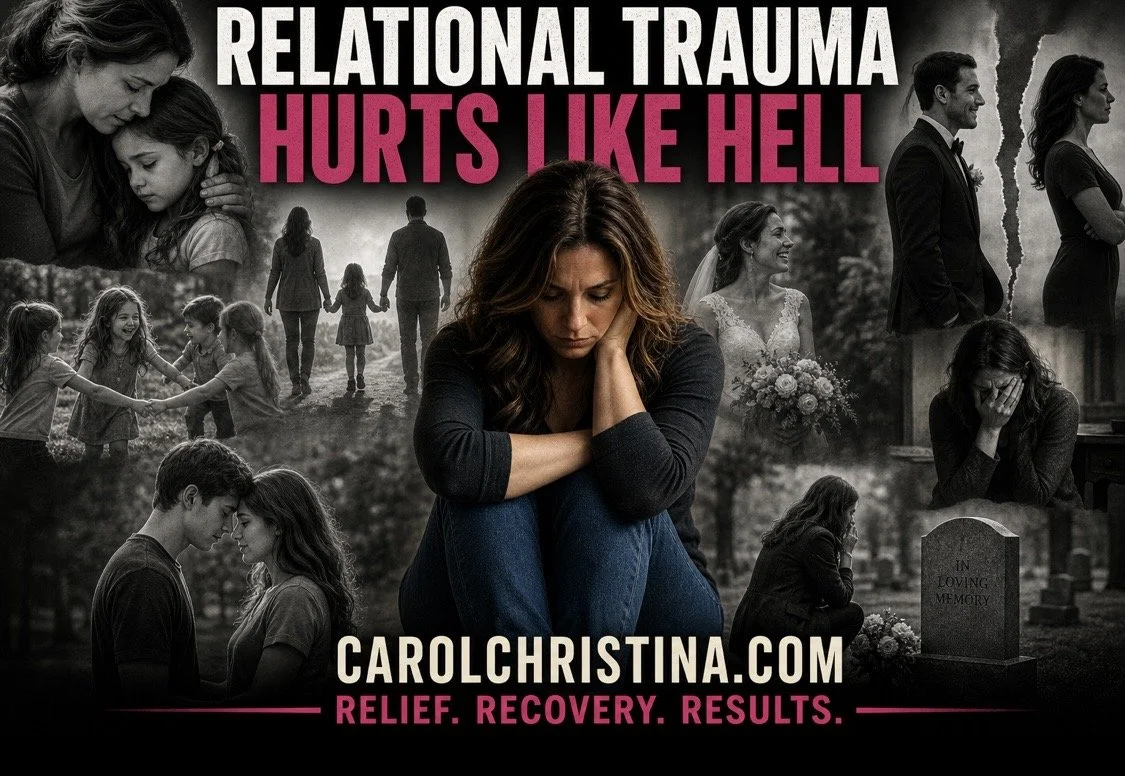
Relational trauma is the emotional imprint left behind when our connections with others, especially those we depend on, are marked by pain, confusion, fear, or inconsistency. As humans, we are wired for connection from the very beginning, so when those early relationships feel unsafe or unpredictable, it shapes how we see ourselves and others. A child growing up with nurturing, attuned caregivers learns that the world is safe and that they are worthy of care. But when there is neglect, abandonment, criticism, or abuse, whether subtle or severe, the child may instead internalize feelings of unworthiness, anxiety, or hypervigilance. Even the absence of something essential, like emotional presence or affection, can leave just as deep an imprint as overt harm.
These early experiences don’t stay in childhood. They follow us. In friendships, relational trauma can show up as fear of rejection, people-pleasing, difficulty trusting, or withdrawing altogether. Experiences like bullying or exclusion can reinforce beliefs of not belonging or not being “enough,” which can carry into later relationships. In romantic connections, unresolved relational wounds may surface as intense attachment, fear of abandonment, emotional reactivity, or difficulty maintaining healthy boundaries. A person might find themselves repeating patterns, drawn to similar dynamics, because it feels familiar.
Workplace relationships can also activate relational trauma. Authority figures may unconsciously remind someone of critical or controlling caregivers, leading to heightened stress, perfectionism, or fear of making mistakes. Conflict with colleagues can feel disproportionately overwhelming, not because of the situation itself, but because it taps into earlier emotional experiences. Similarly, any relationship involving control, manipulation, or abuse, whether emotional, physical, or psychological, can deepen these wounds and reinforce cycles of fear, self-doubt, and disempowerment.
Loss is another powerful form of relational trauma. The death of a loved one, divorce, separation, miscarriage, abortion, or even the gradual drifting apart of a meaningful relationship can leave behind grief, loneliness, and a sense of instability. When loss is sudden or unresolved, it can also create fear around future connections, making it harder to open up again. Even when a relationship needed to end, the emotional impact can still be significant and complex.
At its core, relational trauma is not just about what happened, it’s about how those experiences were felt, processed, and stored in the body and mind. The emotions can range widely: sadness, anger, shame, confusion, fear, emptiness, or even numbness. And often, people don’t consciously connect their current struggles back to these relational roots, they just feel stuck in patterns they can’t quite explain.
The good news is that relational trauma is not permanent. With the right awareness and support, it can be understood, processed, and healed. As we begin to recognize these patterns and the emotions behind them, we create the opportunity to respond differently. To build safer, more secure relationships with others and with ourselves.
I’m here to help you recover, and I have some amazing techniques that are extremely effective and perfect for working through challenges that involve other people. Let’s talk.