

JOURNAL
Choose You
“Not all toxic people are cruel and uncaring. Some of them love us dearly. Many of them have good intentions. Most are toxic to our being simply because their needs and way of existing in the world force us to compromise ourselves and our happiness. They aren’t inherently bad people, but they aren’t the right people for us. And as hard as it is, we have to let them go. Life is hard enough without being around people who bring you down, and as much as you care, you can’t destroy yourself for the sake of someone else. You have to make your wellbeing a priority. Whether that means breaking up with someone you care about, loving a family member from a distance, letting go of a friend, or removing yourself from a situation that feels painful — you have every right to leave and create a safer space for yourself.” Daniell Koepke
(Art: Painting by Malcolm Liepke)

Fearful-Avoidant Attachment
Fearful-avoidant attachment, also known as disorganized attachment, is another attachment style identified in attachment theory. Individuals with fearful-avoidant attachment often experience conflicting desires for intimacy and independence, leading to difficulties in forming and maintaining relationships. This attachment style is characterized by a combination of anxious and avoidant tendencies, and it can result from inconsistent or abusive caregiving in early childhood.
Symptoms of Fearful-Avoidant Attachment:
Mixed Emotions Toward Relationships: Individuals with fearful-avoidant attachment may have conflicting emotions about relationships. They desire closeness and intimacy, but fear it at the same time. This ambivalence can result in a push-pull dynamic in relationships.
Difficulty Trusting Others: Trust is a significant challenge for those with fearful-avoidant attachment. They may have a fear of being hurt or rejected, leading to a reluctance to fully trust others with their emotions or vulnerabilities.
Avoidance of Intimacy: Fearful-avoidant individuals may avoid deep emotional connections and intimacy to protect themselves from potential hurt. They might keep others at a distance or have difficulties opening up emotionally.
Fear of Rejection and Abandonment: Similar to anxious attachment, there is a fear of rejection and abandonment in fearful-avoidant individuals. This fear can result in preemptive distancing or withdrawal to avoid the perceived pain of rejection.
Difficulty with Emotional Regulation: Managing emotions can be challenging for those with fearful-avoidant attachment. They may experience intense emotional highs and lows and struggle to regulate their feelings in a healthy way.
Fears Associated with Fearful-Avoidant Attachment:
Fear of Intimacy: Fearful-avoidant individuals may fear emotional closeness and intimacy because it makes them vulnerable. This fear can lead to a reluctance to fully engage in relationships or a tendency to sabotage them.
Fear of Abandonment: Like anxious attachment, there is a fear of abandonment. However, in fearful-avoidant individuals, this fear may manifest as a desire for independence and avoidance of close relationships to prevent potential abandonment.
Fear of Trusting Others: Trust issues are common, and the fear of trusting others may stem from past experiences of inconsistent caregiving or trauma.
Healing for Fearful-Avoidant Attachment:
Therapy: Seeking therapy, particularly with a therapist experienced in attachment issues, can be crucial. NeuroCognitive Reprogramming, Time Line Therapy, NLP, and other therapeutic modalities can help individuals understand the root causes of their attachment patterns, address past traumas, and develop healthier relationship dynamics.
Building Self-Awareness: Developing self-awareness is essential in recognizing and understanding one's attachment patterns and how they impact relationships. This self-awareness can be a foundation for personal growth and change.
Gradual Exposure to Intimacy: Fearful-avoidant individuals may benefit from gradually exposing themselves to intimacy and vulnerability in relationships. This can involve taking small steps to build trust and emotional connection.
Mindfulness and Emotional Regulation: Similar to anxious attachment, practicing mindfulness and learning emotional regulation skills can help manage intense emotions and reduce impulsive behaviors in relationships.
Secure Base: Building a secure base within oneself is crucial. This involves developing a sense of self-worth and security independent of external validation, allowing for a more stable foundation in relationships.
It's important to note that healing from fearful-avoidant attachment is a process that takes time and commitment. Professional guidance and support can be instrumental in facilitating this healing journey.

#Healing #Therapy #Recovery #Help #AlternativeHealthcare #Miramichi #NewBrunswick #Office #Online
Anxious Attachment
Anxious attachment, also known as anxious-preoccupied attachment, is one of the attachment styles identified in attachment theory, a psychological framework that explores the dynamics of relationships, particularly the bond between infants and caregivers. This attachment style can persist into adulthood and affect romantic relationships and interactions with others. It's important to note that attachment styles are on a spectrum, and individuals may display characteristics of more than one style.
Symptoms of Anxious Attachment:
Fear of Abandonment: Individuals with anxious attachment often have a deep-seated fear of being abandoned or rejected by their partners. This fear can lead to clingy behavior and an excessive need for reassurance.
Excessive Need for Reassurance: Those with anxious attachment seek constant validation and reassurance from their partners. They may doubt their worth and worry that their partner will lose interest or find someone else.
Overthinking and Over-analyzing: Anxiously attached individuals tend to overthink and over-analyze their relationships. They may interpret neutral or ambiguous situations as signs of impending abandonment, leading to heightened anxiety.
Intense Emotional Reactions: Emotional reactions can be intense and quick to surface. Small disruptions or perceived threats to the relationship can trigger strong emotional responses such as anger, sadness, or anxiety.
Difficulty Trusting: Trust is often a significant issue for those with anxious attachment. They may have a hard time trusting that their partner truly cares for them, leading to ongoing doubts and insecurities.
Fears Associated with Anxious Attachment:
Fear of Rejection: Anxiously attached individuals fear rejection and may go to great lengths to avoid it. They may alter their behavior to please others, sacrificing their own needs.
Fear of Abandonment: The core fear is often the fear of being abandoned or left alone. This fear can lead to efforts to control the relationship dynamics or to be overly dependent on the partner.
Fear of Not Being Good Enough: There is a pervasive fear of not being good enough, lovable, or worthy of a secure and lasting relationship. This fear may stem from early experiences in childhood.
Healing for Anxious Attachment:
Self-Awareness: Recognizing and understanding the patterns of anxious attachment is a crucial first step. Developing self-awareness allows individuals to identify their triggers and understand the root causes of their fears.
Therapy: Working with a therapist, especially one trained in attachment-based therapy, can be highly beneficial. NeuroCognitive Reprogramming, Time Line Therapy, NLP, and other therapeutic modalities can help individuals challenge and change negative thought patterns.
Developing Secure Attachment: Building healthy relationships and cultivating a secure attachment style is a gradual process. This involves learning to communicate effectively, set boundaries, and develop a sense of self-worth independent of external validation.
Mindfulness and Emotional Regulation: Practices such as mindfulness and emotional regulation techniques can help individuals manage their intense emotions and reduce anxiety. These skills can contribute to more balanced and fulfilling relationships.
Communication Skills: Learning effective communication skills is essential. This includes expressing needs and concerns assertively, listening actively, and fostering open and honest dialogue with partners.
It's important to note that attachment styles are not fixed, and individuals can develop more secure attachments with time, self-reflection, and intentional effort to change unhealthy patterns. Seeking support from mental health professionals can provide valuable guidance and assistance in the healing process.

#Healing #Therapy #Recovery #Help #AlternativeHealthcare #Miramichi #NewBrunswick #Office #Online
Levels of Consciousness
Learning “Values Levels” was significant for me. This knowledge helps you understand yourself, other people, and society.
A client who added the Values Levels Add-on to her Adult Sessions Package said: “It’s amazing to evolve and I feel great about it, I understand myself and others more now.”
https://carolchristina.com/book-now
Reassessing your Values Levels every six months enhances growth.

Note from Client 😊
Working with Carol is the best investment to live a life you love. (Typical note from client.)

Child Screams at Bedtime?
Parents hire me to stop the nightly screaming by their kids. Or sometimes children need help to stop tantrums before daycare or school. Some families experience great distress because a child becomes frantic or scared or panicky.
Parents, contact me before you get to the end of your rope. Parents often say I am their last resort before medicating. Change the trajectory of your child’s life. You’ll be glad you did.
Ideally, the parent most triggered by the child, also benefits greatly by experiencing healing sessions as well.

Teens Helped
Typically, teen boys seek my help for anger issues, ADHD and relationship problems.
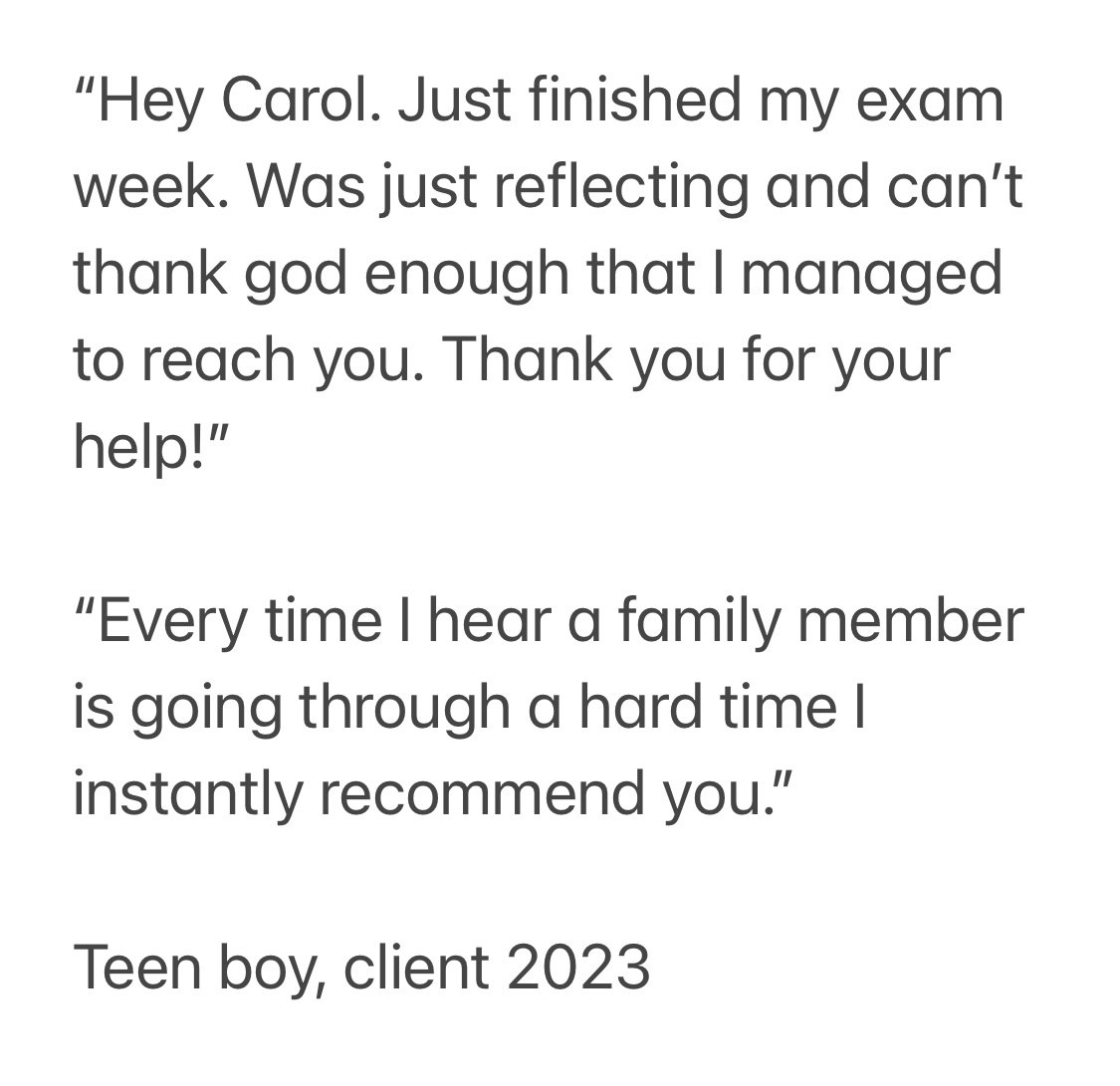
When teenagers are ready to take this step, the sky is the limit. I’ve heard their moms and grandmothers say how their lives are transformed. Even, “You’ve given me the perfect kid!”
When You Need Help Quickly
My passion is helping people. Almost every day, I help at least one person for free. But I also have to take care of my family.
People ask me what I do in my work, but the crazy thing is, with my training, I can help people with any problem. Physical, mental, financial, spiritual, or emotional, etc. I guess that’s part of the fun for me. Each client is new and different, yet the method of identifying their limitations, and what’s holding them back, is a similar process.
What I do is a science. It is working with the brain to change neural pathways, let go of negative emotions, and create new thought patterns. What do you want instead of your problem? Let’s make it happen.
#Healing #Therapy #Recovery #Help #AlternativeHealthcare #Miramichi #NewBrunswick #Office #Online
Healing Looks Like This…
This beautiful client was struggling and could no longer ride her horses due to fear and anxiety. She sent me this video after her healing sessions with me. It gave me so much joy and satisfaction to see, not only her own renewed freedom, but even the horse has a new lease on life. ❤️ Contact me to change your life for the better. ❤️
I loooovvve my work. It is so rewarding. You have no idea how straightforward and easy it is to change your life. When we live in our own problem box, it is more difficult to have the clarity to solve our own problems. That’s why it makes sense to get expert help. With my experience and cutting edge techniques, I easily guide your healing, and help you create a life you love. ❤️
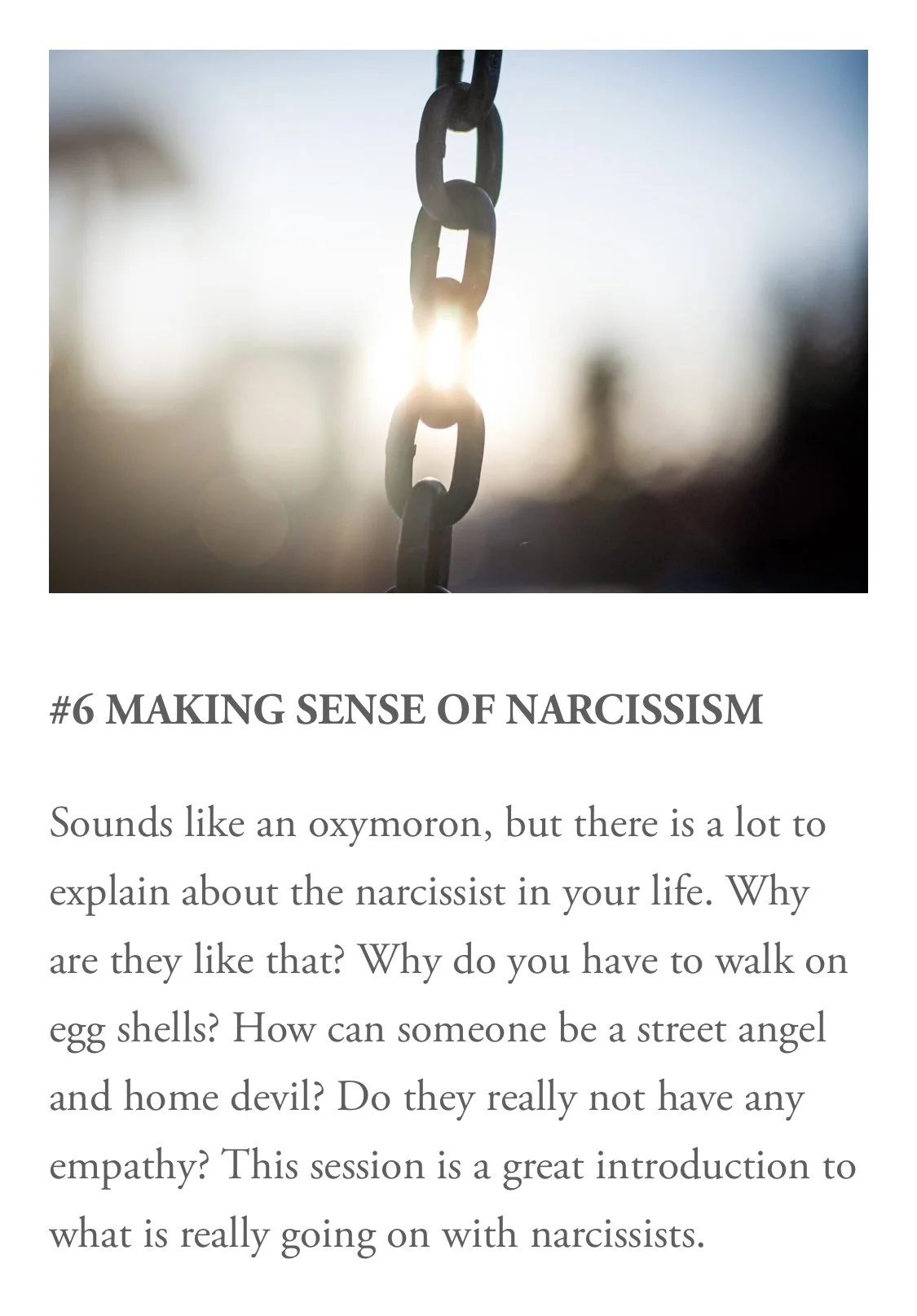
MAKING SENSE OF NARCISSISM
I own and read many books on this painful topic. I also took training that helped me understand the root of narcissism and how to help the victim. If you have a narcissist in your life, you have certainly experienced mind fuckery. Not to diminish other kinds of abuse, but some people find narcissistic abuse to be one of the worst types of abuse out there. If you are looking to recover and heal from being the victim of narcissistic abuse, that would require an Adult Package of Sessions. Getting educated about what happened to make them narcissistic is a great start.
#Healing #Therapy #Recovery #Help #AlternativeHealthcare #Miramichi #NewBrunswick #Office #Online