

JOURNAL
When You Have Had Enough
Many of you know me in real life. Over the years, some of you have trusted me with things you have never told anyone. You came because you knew you were safe, understood, and respected.
I have been there myself. I know trauma, relationship pain, and the weight of old emotional baggage. Because of my own experiences, this work matters deeply to me, and I am trained to help people move forward with real results.
The work I do releases negative emotions and not just eliminates, but actually changes limiting beliefs, so the past loses its hold. When that happens, people feel lighter, clearer, and more at peace. Many say it was one of the best things they ever did.
If you are carrying trauma, PTSD, relationship hurt, childhood wounds, or any kind of emotional pain — and you feel ready to let it go — reach out.
Let’s chat, and you can tell me what’s going on, and I will explain what we will do to help you feel better.

One Little Idea
Take this step to help yourself:
Improve your mood. And watch things change.
Tired of Trying
Feeling stuck, heavy, or held back even though you have tried so many things?
Negative, fear-based limiting beliefs block people from feeling better and from living the life they truly want.
Real, lasting results come when those beliefs change at the root. Life begins to feel lighter, freer, and more empowering.

Recovering from Birth Trauma
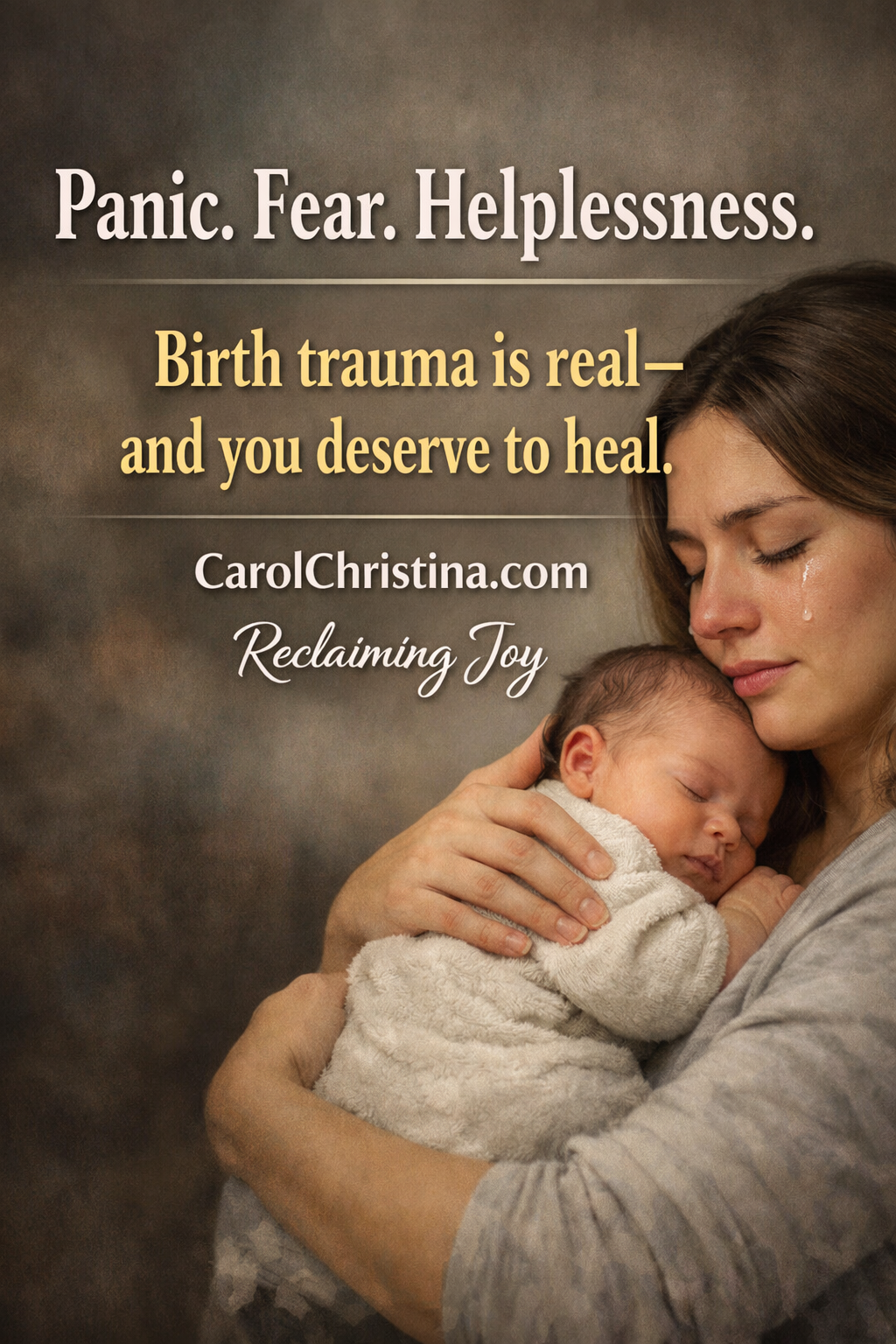
Your baby’s birth was supposed to be beautiful. Instead, it was terrifying—and you were left trying to “get over it.”
Panic. Fear. Helplessness. Let down. Disappointed. Blame. Guilt. This is birth trauma—and it’s overlooked in how deeply it hurts women. Sometimes the difficult and painful experience can even create PTSD.
You deserve to recover. Gentle support, understanding, and peace are possible. Let me help you heal. Your joy as a mother can be reclaimed.
Book a Consultation when you are ready to feel better.
But I Thought Unconditional Love Was Good?
When someone is consistently too nice or self-sacrificing in a relationship, it can have several negative effects on them:
Emotional Exhaustion: Constantly prioritizing another’s needs and desires can lead to emotional burnout. The individual may feel drained from trying to maintain peace and ensure the other’s happiness at the expense of their own well-being.
Loss of Self-Identity: Over time, a person who is excessively accommodating might lose sight of their own needs, desires, and interests. This can lead to a diminished sense of self, where their identity becomes intertwined with their role in the relationship rather than as an individual.
Resentment and Frustration: The individual may begin to harbor feelings of resentment and frustration as their own needs and boundaries are ignored. They might feel unappreciated or taken for granted, which can erode the foundation of the relationship.
Low Self-Esteem: If the person’s kindness and sacrifices are not acknowledged or reciprocated, they might start to question their own worth and feel inadequate. This can lead to lower self-esteem and a sense of being unworthy of genuine love and respect.
Difficulty Establishing Boundaries: A pattern of excessive giving can make it difficult for the person to set healthy boundaries in the relationship. They might struggle to assert their needs or say no, which can perpetuate a cycle of imbalance and unhealthy dynamics.
Overall, these experiences can significantly impact their emotional health and their ability to maintain a balanced, fulfilling relationship.
Understanding the Attraction: Why People Gravitate Towards and Stay with Narcissists

People can be attracted to and stay with narcissists for a variety of psychological and emotional reasons. Here are some key factors:
1. Low Self-Esteem and Insecurity: Narcissists often target individuals with low self-esteem. These individuals may be more susceptible to the narcissist’s manipulative tactics and feel validated by the attention they receive, even if it’s unhealthy attention. The narcissist’s charm and initial affection can make the person feel special, temporarily boosting their self-esteem (MindBodyGreen, Psychology Today).
2. Caretaker Personality: People who are natural caretakers or people-pleasers may attract narcissists because they prioritize others’ needs over their own. Narcissists exploit this tendency, as caretakers are less likely to assert their boundaries and more likely to tolerate abusive behaviour to keep the peace (Learning Mind).
3. Desire for Validation: Narcissists are adept at love-bombing, a technique where they shower their target with excessive admiration and attention. Individuals who seek external validation can find this overwhelming attention irresistible, mistaking it for genuine love and care. This need for external validation makes them vulnerable to manipulation (Learning Mind, UpJourney).
4. Past Trauma: Those with unresolved trauma or a history of abusive relationships might unconsciously gravitate toward narcissistic partners. Their trauma can create a cycle where they are drawn to the familiar patterns of abuse and control, hoping to “fix” the situation this time around (UpJourney, Marriage.com).
5. Empathy and Non-Judgmental Nature: Empathetic and accepting people often attract narcissists because they are more likely to overlook flaws and give second chances. This non-judgmental stance can enable narcissists to continue their behaviour unchecked (Psychology Today, UpJourney).
6. Strong, Successful Personalities: Interestingly, strong and successful individuals can also attract narcissists. For narcissists, being with a strong partner can feel like a conquest and a way to enhance their own status and self-worth. They may be drawn to the challenge of dominating someone who is independent and confident (Psychology Today).
Understanding these dynamics can help individuals recognize and break patterns of attracting narcissistic partners. Setting firm boundaries, seeking therapy to address past trauma, and building self-esteem are crucial steps in preventing future unhealthy relationships. Identifying red flags early and prioritizing one’s own needs and well-being are also vital strategies (MindBodyGreen, Marriage.com).

Reclaim Your Life from Narcissistic Abuse: A Path to Healing and Recovery

Narcissistic supply is the fuel that keeps a narcissist’s ego running. This “supply” is the attention, admiration, and emotional energy they extract from those around them, often leaving their victims drained and diminished. Imagine a parasite that thrives on your vitality, leaving you increasingly depleted as they grow stronger. This dynamic is not just metaphorical; it’s a painful reality for many who find themselves entangled with a narcissist.
Narcissists are adept at saying all the right things to draw you in, making you feel special and valued. They create an illusion of a perfect relationship, only to slowly erode your self-worth and confidence. Their charm is a carefully constructed façade designed to hook you, ensuring a steady stream of narcissistic supply. Over time, you may find yourself feeling empty, anxious, and questioning your own value, struggling to recognize the person you’ve become as you lose yourself in the process. You may even start feeling pity for the narcissist, placing their needs above your own and suffering from a deep sense of self-loss and emotional turmoil.
Consider the case of Sarah, who entered into a relationship with a narcissist. At first, he showered her with compliments and attention, making her feel like the center of his world. However, as the relationship progressed, his demands for attention grew insatiable. He criticized her, manipulated her emotions, and made her feel as if she could never do enough to please him. Sarah’s self-esteem plummeted, and she began to feel as though her life revolved solely around meeting his needs.
Your experience with a narcissist could look very different then Sarah’s, but if you are starting to suspect you’ve been in a narcissistic abusive situation, know that recovery and healing are possible. You deserve to reclaim your energy, rebuild your sense of self, and, most importantly, realize your intrinsic worth. Breaking free from a narcissist’s grip is the first step toward putting your broken pieces back together.
I specialize in guiding individuals through this journey. With my support, you can rediscover your strength, regain your confidence, and rebuild a life filled with joy and self-respect. Reach out to me for personalized strategies and compassionate guidance. Let’s start your journey toward healing and wholeness today.
Finding Harmony: Overcoming Cognitive Dissonance Through Healing Techniques

Cognitive dissonance, the mental discomfort that arises from holding two or more conflicting beliefs, can be a profoundly painful experience. This internal struggle often leads to a sense of confusion and stress as our minds attempt to reconcile contradictory ideas.
Imagine being torn between the safety of a familiar belief and the compelling evidence of a new perspective; the resulting dissonance can feel like an unsettling mental tug-of-war. This discomfort is not just psychological; it can manifest physically, leading to symptoms like headaches, insomnia, or even a feeling of being physically ill.
The confusion that comes with entertaining opposing beliefs can be overwhelming. When faced with cognitive dissonance, our natural inclination might be to resolve it quickly, often by dismissing one of the conflicting thoughts to restore mental harmony. However, this quick fix doesn’t always lead to truth, authenticity, or personal growth. Instead, it often results in cognitive bias, where we favor information that aligns with our pre-existing beliefs and ignore evidence that contradicts them. This can create a cycle of self-deception, further complicating our understanding and interactions with the world around us.
So, what can you do about it? First, acknowledge the presence of cognitive dissonance rather than ignoring it. Accepting that this discomfort is a natural part of the human experience can make it more manageable.
Next, take the time to reflect on the conflicting beliefs. Delve into why each belief is important to you and what evidence supports them. Seeking out accurate, unbiased information can help you weigh these beliefs more objectively. Additionally, engage in open-minded discussions with others who may hold different viewpoints. This can provide new insights and help you see the issue from multiple perspectives.
My healing practice offers techniques such as Time Line Therapy and Parts Integration, which can be incredibly effective in navigating cognitive dissonance. Parts work involves identifying and understanding different aspects of the self, each holding its own beliefs and perspectives. Integration aims to harmonize these parts, creating a cohesive inner dialogue. These methods can help you delve deeper into your conflicting beliefs, understand their origins, and find a balanced resolution. By employing these techniques, you can gain clarity and reduce the mental turmoil caused by cognitive dissonance, leading to a more harmonious state of mind and a more authentic self.