
An Example of GNM
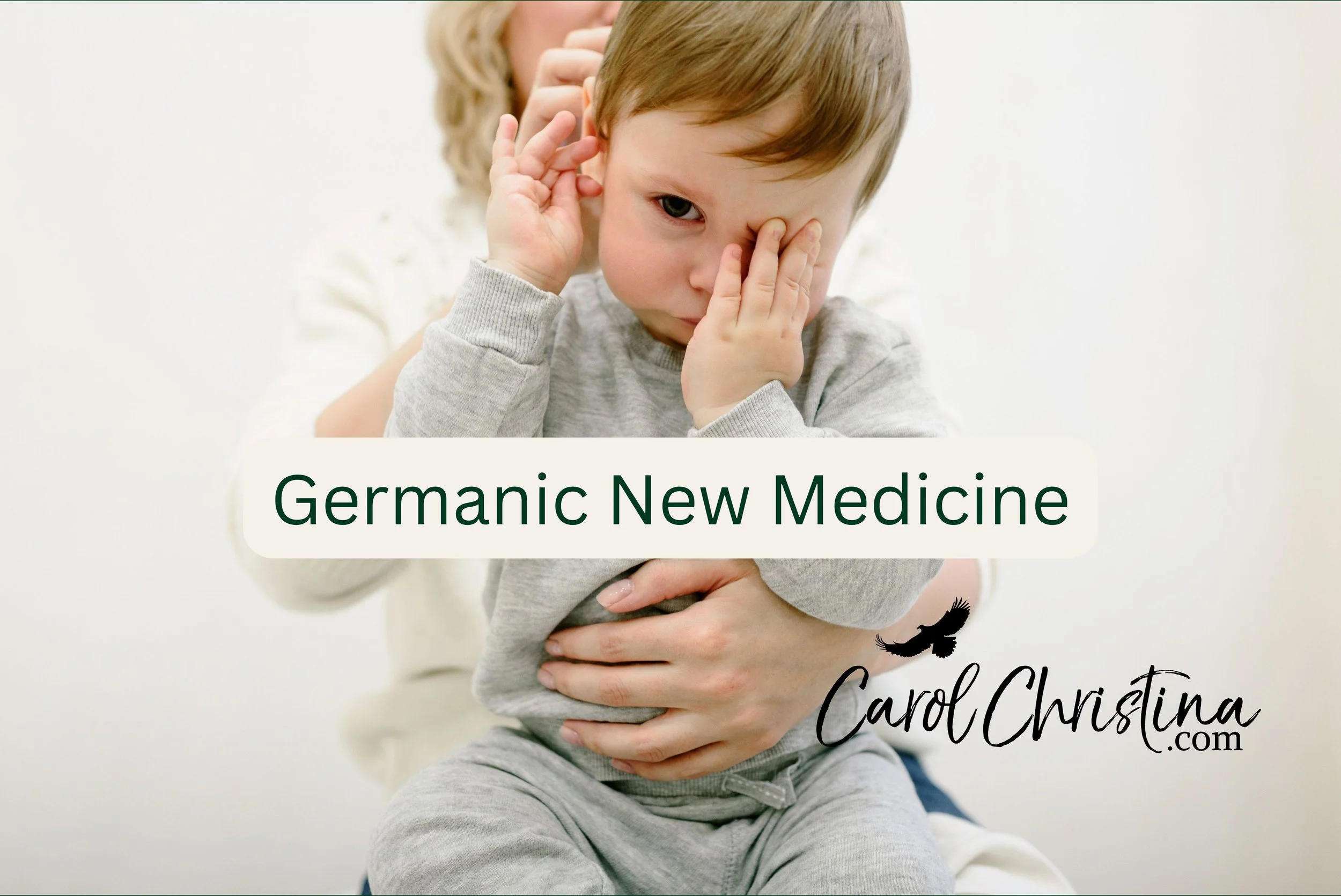
I started learning about Germanic New Medicine (GNM) in 2007. That was the same year I joined Facebook. Back then, people often treated Facebook like a diary, telling everything about themselves and their lives. One of my real-life friends was distressed about returning to work after maternity leave. Her little boy started full-time daycare, and she was heartbroken that she would not see him during the day. She was having a very hard time with the separation.
Since I was becoming familiar with GNM, I was already predicting what was going to happen next, just from her language and expression of emotion.
Then Christmas came, and she had two weeks off work. She was able to spend quality time seeing her little boy every day again. Soon after, she shared that both she and her son had developed pink eye.
GNM connects the eyes with what it calls a visual separation conflict. This can involve missing someone you deeply want to see, suddenly being separated from someone, not wanting to see someone, or being unable to see someone you want to see.
According to GNM, the symptoms appear during the healing phase, after the emotional conflict has been resolved.
This real life scenario was a good example of why I became so interested in GNM. It makes so much logical sense. It taught me to look at what was happening in the life of a person, not just the symptoms. Instead of only asking what was happening in the body, I started asking, “What happened in this person’s life before the symptoms began?”
The following is from the website, LearningGNM.com:
BIOLOGICAL CONFLICT: The biological conflict linked to the conjunctiva, cornea, and lens is a visual separation conflict of having lost sight of someone, for example, of a loved one who has moved away, left, or has died (see also eyelid gland ducts and outer skin of eyelid). This includes having lost sight of a pet. The conflict also relates to not being allowed to see someone (a grandchild, a lover, a friend, a schoolmate, a relative in the hospital) or not wanting to see someone (“get out of my sight!”). The fear of not being able or not being permitted to see a certain person might already trigger the conflict. The degree of the conflict determines which one of the three tissues will be affected by the DHS. The conjunctiva is associated with a light visual separation conflict, the cornea with a moderate conflict; the lens is affected when the conflict is experienced as severe. NOTE: A visual separation conflict only refers to people and animals such as a pet but not to objects (ring, car, favorite toy) or a home. This would instead involve the tear glands or uvea of the eye.
Conjunctivitis (pink eye) with red, burning, itchy, and watery eyes occurs when the conjunctiva is in healing (see also watery eyes related to the tear glands or nasolacrimal ducts). The inflammation often involves the inside of the eyelids (compare with blepharitis related to the eyelid skin). The symptoms range from mild to severe, depending on the intensity of the conflict-active phase. For a right-handed person, the right eye is affected if the visual separation conflict is associated with a partner; if the person is left-handed the conflict is mother/child-related.